
Understand PSI & GPM for Pressure Washers
Learn how to choose the right pressure washer.
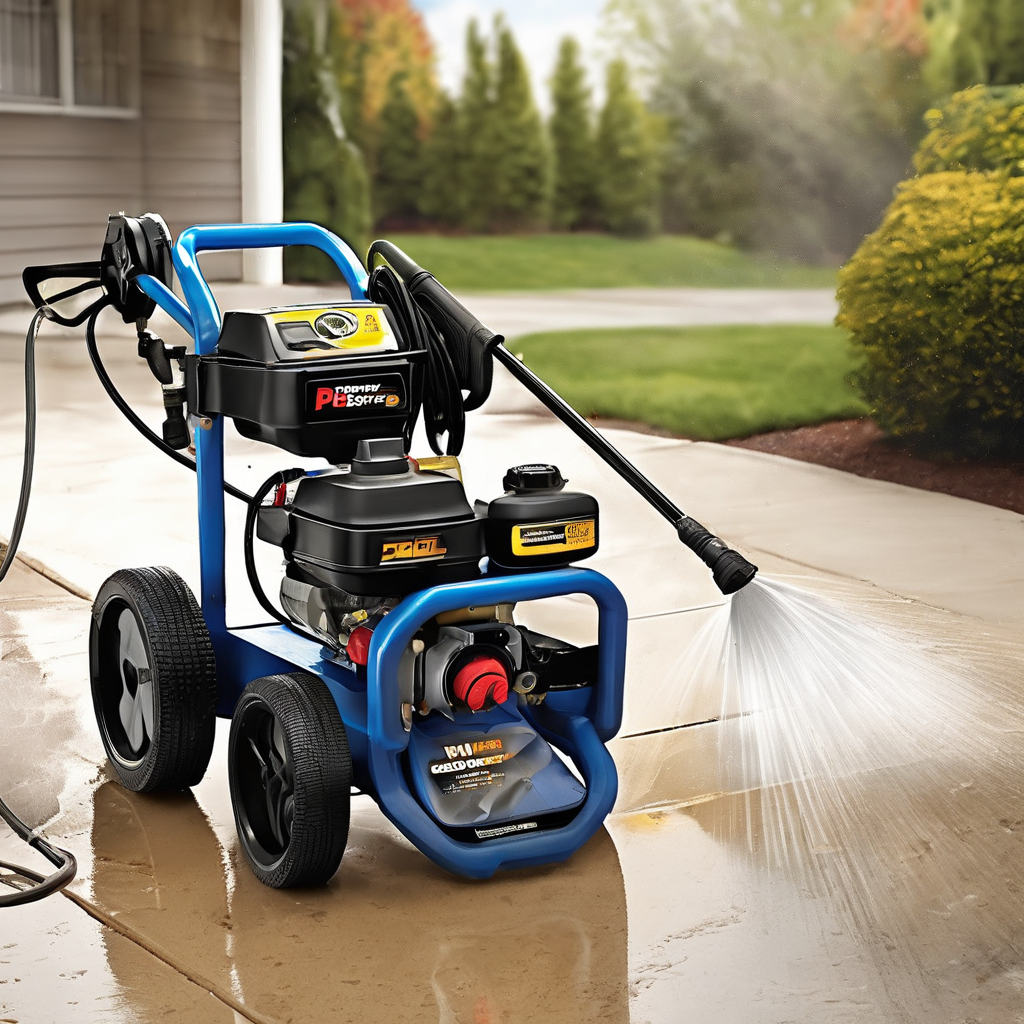
Choosing the right pressure washer can be confusing, especially when it comes to understanding PSI and GPM. PSI, or pounds per square inch, measures the pressure of the water, while GPM, or gallons per minute, indicates the flow rate. Together, these factors determine how effectively a pressure washer can clean different surfaces. This guide will help you make informed decisions for your cleaning projects.
Key highlights
- Define PSI and GPM
- Match power to tasks
- Avoid common buying mistakes
How to choose (and common mistakes)
When selecting a pressure washer, understanding PSI and GPM is crucial. Higher PSI means more cleaning power, ideal for tough stains on driveways or decks. GPM affects how quickly you can clean; higher GPM allows for faster work. A common mistake is focusing solely on PSI; an optimal balance of both PSI and GPM is essential for effective cleaning. For example, lower PSI with higher GPM might be better for delicate surfaces like cars. Always consider your specific cleaning needs and avoid overspending on features you won’t use.
Latest Guides

9 Best Home Pressure Washer (2025)
Top Home Pressure Washers for Every NeedRevitalize your outdoor spaces with the best home pressure washers on the market. From…
Read guide →
9 Best Pressure washer for car washing (2025)
Top Pressure Washers for Car Washing Discover the best pressure washers designed specifically for car washing. These powerful tools make…
Read guide →
9 Best Pressure washers with a surface cleaner (2025)
Top Pressure Washers with Surface Cleaners Discover the ultimate cleaning solution with pressure washers equipped with surface cleaners. These powerful…
Read guide →9 Best Pressure washers for house washing (2025)
Top Pressure Washers for House Washing Keeping your home’s exterior clean is essential for maintaining its appearance and value. Pressure…
Read guide →
9 Best Pressure washers for driveways (2025)
Top Pressure Washers for Driveways in 2023 Keeping your driveway clean enhances your home's curb appeal and longevity. The right…
Read guide →9 Best Pressure washers for home use (2025)
Top Pressure Washers for Home Use Discover the best pressure washers to keep your home sparkling clean. Whether you need…
Read guide →9 Best Pressure washers (2025)
Top Pressure Washers for Every Cleaning Need Discover the power of pressure washers to tackle tough grime and dirt. From…
Read guide →Related Topics
Best Pressure Washers
Best Electric Pressure Washers
Electric vs Gas Pressure Washers
Pressure Washer Setup & Safety
FAQ
What is the best PSI for home use?
A range of 1300-2300 PSI is ideal.
How does GPM affect cleaning?
Higher GPM means faster cleaning.
Can I use a high PSI on all surfaces?
No, delicate surfaces require lower PSI.
What tasks require higher PSI?
Stubborn stains on concrete or brick.
Is there a difference between electric and gas models?
Yes, gas models usually have higher PSI.